Published
Why Australian small businesses cannot break the payment cycle — and what actually changes it

Cory Mayfield
6
min

At a Glance
Your terms say 30 days. Your clients are paying in 53. That 23-day gap is not bad luck — it is a pattern that gets reinforced every time you say nothing.
Key takeaway: Payment terms drift through small, reasonable-feeling decisions to keep the peace. The time to lock in expectations is at the beginning of the relationship — not when the invoice is already overdue.
The Numbers
Stat | Figure |
|---|---|
Average time to payment | 53 days |
Average days beyond agreed terms | 23 days |
Businesses needing to ask 2+ times | 60% |
53% of all invoices in Australia are paid late. Half of all small businesses say more than 40% of their invoices are currently overdue.
Why the Cycle Keeps Going
Look, late payment is not usually deliberate. Most late payers are dealing with their own cash flow pressure. When a head contractor delays, every subcontractor below them absorbs the hit.
It cascades. The developer is slow to pay the builder. The builder delays subbies. The subbie cannot pay their supplier. Nobody set out to cause harm. The system has normalised delay — and once delay is normal, it becomes expected.
The Construction Payment Chain
Construction shows this most clearly. With 2,832 insolvencies in FY2023-24 — a 28% jump, and 27.7% of all business failures nationally — it is the sector most damaged by the late payment cycle.
The chain runs: developer → head contractor → subcontractor → supplier. At every level, the business below absorbs the risk from the business above.
How 30-Day Terms Become 53-Day Terms
A new client pays at 40 days. You say nothing — the relationship is fresh. It happens again. By the sixth invoice, 40 days is just how this client works. If you suddenly follow up at day 31, you seem unreasonable — because you trained them that 40 days was fine.
Payment terms drift through small decisions that feel reasonable in the moment.
What Other Countries Do
The UK has a law that automatically charges interest on late commercial payments — 8% above the base rate. The EU has similar rules. Australia does not have this built-in pressure for general B2B invoices.
Security of Payment legislation exists across all states and provides real rights in construction — but does not create automatic interest penalties for everyday late payment.
How to Break the Cycle
Set expectations early — terms go in the quote, contract, and invoice.
Follow up immediately — first reminder within 24 hours of a missed payment.
Remove the personal awkwardness with professional automated reminders.
Escalate on a schedule — know what you will do at 30, 60, and 90 days.
Track your data — which clients are consistently slow?
Frequently Asked Questions
Why is the average payment time in Australia so much longer than payment terms suggest?
The gap reflects a combination of systemic factors. Australia lacks mandatory late payment interest for general B2B invoices, which removes automatic financial pressure. Payment chain dynamics in construction and trades cascade delays from tier to tier. And business owners frequently defer follow-up to protect relationships, which inadvertently trains clients that extended terms are acceptable.
Does the Security of Payment Act help small businesses get paid faster in Australia?
Security of Payment legislation exists in all states and territories and provides important rights for construction businesses — including adjudication rights and progress payments. However, it primarily applies to construction contracts and requires businesses to actively invoke it. Many small operators are unfamiliar with the process, which limits its practical day-to-day impact.
How do I stop clients from treating my payment terms as flexible?
Set clear expectations at quote stage, in the contract, and on every invoice — then enforce those terms consistently from the first invoice. Immediate follow-up within 24 hours of a missed payment signals that your terms are real. Businesses that follow up consistently build a payment culture across their client base within 2–3 billing cycles.
About Chargetree
Chargetree is an automated accounts receivable and collections platform built for Australian businesses. We help tradies, contractors, agencies, and service businesses get paid faster — without damaging client relationships. Chargetree integrates with Xero to automate payment reminders, escalation workflows, and collections from just $69 a month. No commissions. No lock-in. Learn more at chargetree.co.
Your payment cycle does not have to be 53 days.
Chargetree sets up a professional follow-up system that starts within 24 hours of every missed payment. Businesses using Chargetree get paid 20–30 days faster on average.
More articles
Published
8
min
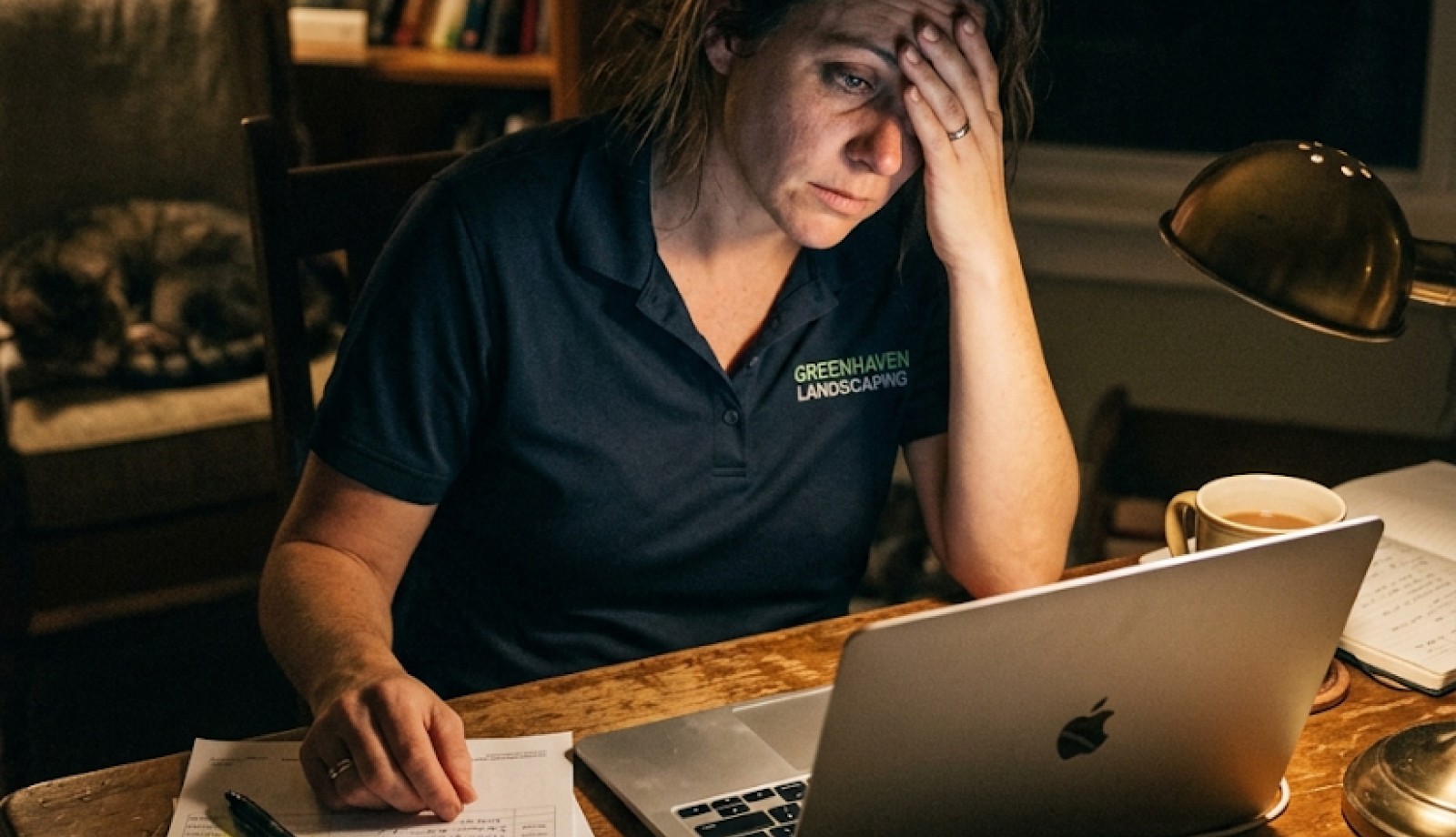
Cash Flow vs Profit: Why Profitable Businesses Still Fail
Cory Mayfield
Published
8
min
How to Chase Payments Without Losing the Client
Cory Mayfield

Published
5
min
Email vs SMS for Payment Recovery in Australia
Cory Mayfield

Published
8
min
The Anatomy of an Effective Payment Reminder
Cory Mayfield
Published
7
min
Manual vs Automated Collections: What the Data Actually Shows
Cory Mayfield

Published
4
min
Payment Terms Are Killing Your Business
Cory Mayfield

Published
7
min
The Psychology of Late Payers
Cory Mayfield
Published
6
min
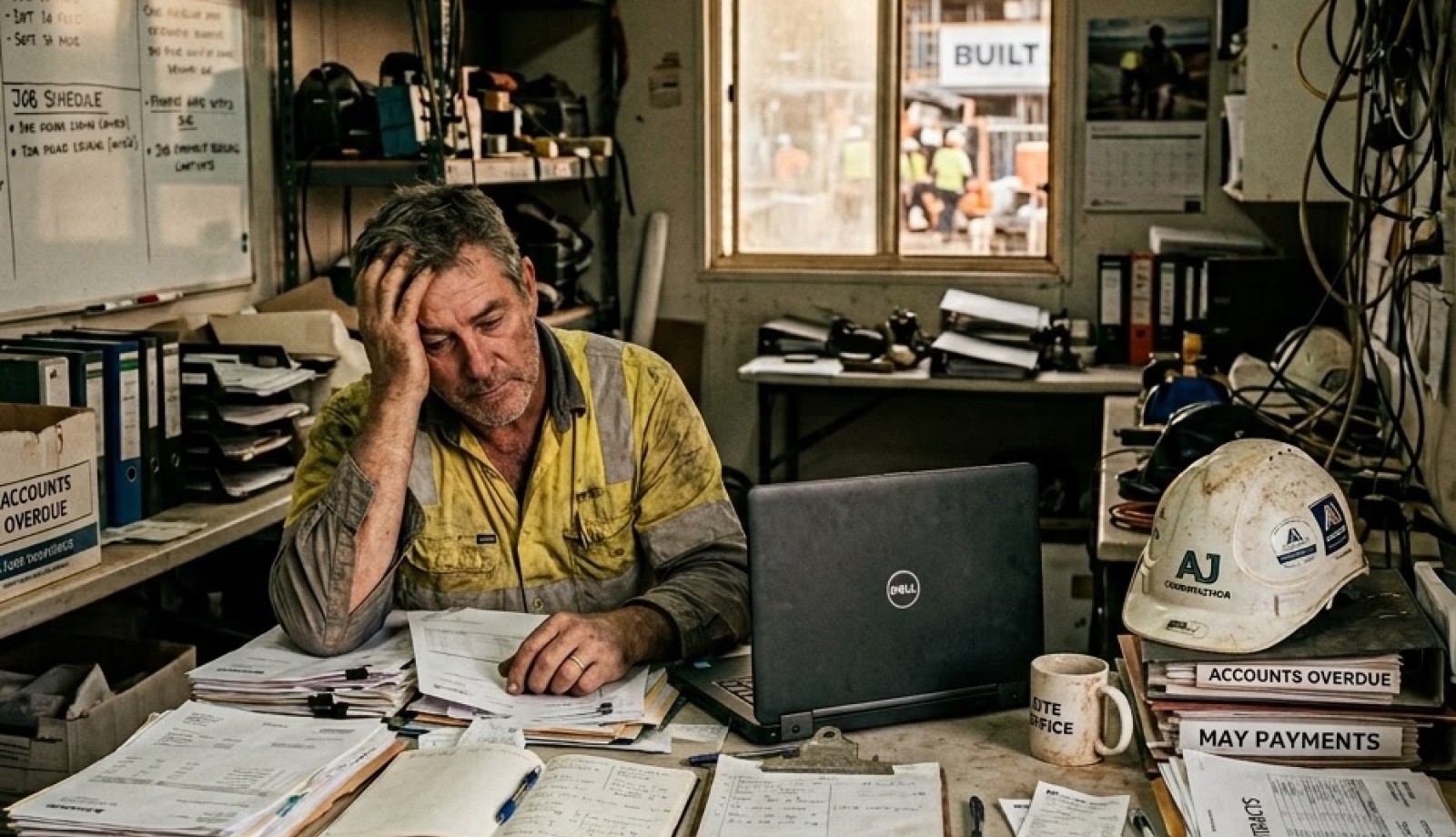
The Real Cost of a 60-Day Invoice
Cory Mayfield
Published
15
min
The SME Collections Playbook
Cory Mayfield
Published
6
min
When to Escalate: A Framework for Overdue Invoices
Cory Mayfield

