Published
The gap that ends more Australian small businesses than any market downturn

Cory Mayfield
8
min
At a Glance
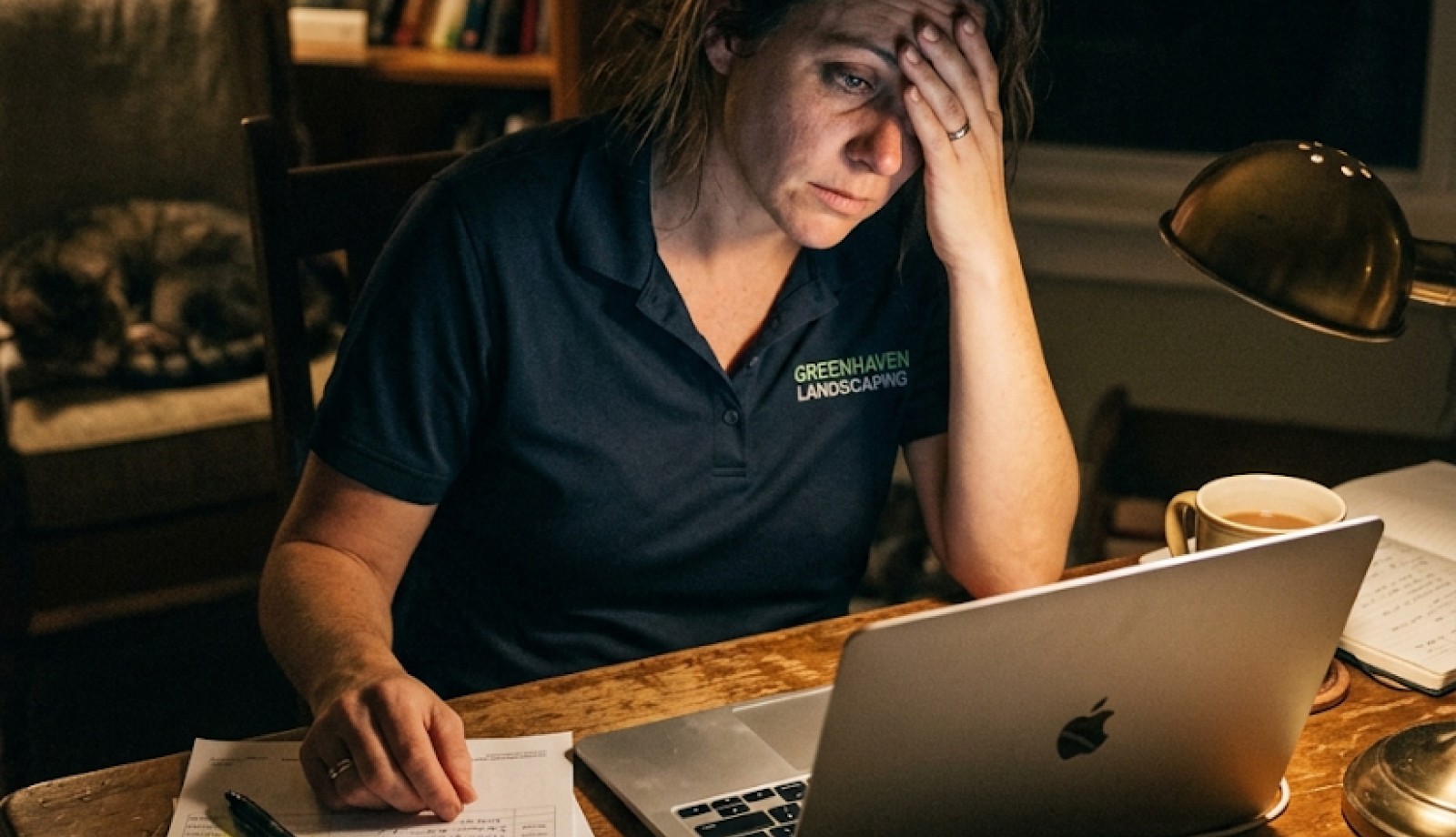
A profitable business can still run out of cash — and that is exactly what is happening to thousands of Australian SMEs right now. Profit tells you whether your business model works. Cash flow tells you whether it survives.
Key takeaway: The fix is usually not more revenue — it is collecting what you have already earned, faster. Getting paid 20–30 days sooner can be worth more than winning a new client.
Profit vs Cash Flow — the Simple Version
Profit tells you whether your business model works. Revenue minus costs. Measured when a sale is made.
Cash flow tells you whether your business survives. It is about actual money in and actual money out — and when each happens.
The problem is timing. You earn profit when you send an invoice. You receive cash when the client pays. If that invoice sits unpaid for 60 days, the profit lands in month one but the cash does not arrive until month three.
The Working Capital Trap
A business doing $3 million a year with 60-day average payment terms has roughly $500,000 tied up in receivables at any given time — earned money sitting outside the business, unavailable for operations.
Stat | Figure |
|---|---|
SMEs with little or no cash reserve | 60% |
Business failures driven by poor cash flow | 40%+ |
Working capital blocked from Australian SMEs | $7B+ annually |
Three Reasons the Gap Happens
Payment terms that outlast cash reserves
A business with 30-day payment terms and no cash buffer is immediately exposed when a client pays late. Most small businesses do not have 30–60 days of operating costs in reserve.
Inconsistent follow-up
60% of businesses need to ask for payment more than once before receiving it. Every follow-up that does not happen on schedule is another day of delay.
Escalating too slowly
Businesses without a clear escalation plan wait too long before taking formal steps. Recovery rates drop by about 1% per week after a payment is missed.
The Fix: Get Paid Faster on What You Have Already Earned
A business that gets paid 20–30 days sooner does not change its revenue. But it changes its cash position significantly. $100,000 recovered 25 days earlier is a direct saving of roughly $685 in capital cost — plus time saved, and a higher recovery rate from acting earlier.
Practical Steps
Track Days Sales Outstanding (DSO) as a core business number — it tells you exactly how long your money sits with clients.
Review overdue invoices weekly, sorted by age.
Set up automated follow-up that fires within 24 hours of every missed payment.
Build a fixed escalation schedule.
Separate the cash flow conversation from the P&L conversation — they measure different things.
Frequently Asked Questions
Can a profitable business really run out of cash?
Yes — and it happens more often than most people realise. Profit is an accounting concept measured at the time of sale. Cash is what actually sits in the bank. ASIC data shows this dynamic drives more than 40% of Australian business failures.
What is Days Sales Outstanding (DSO) and why does it matter?
Days Sales Outstanding is the average number of days it takes to collect payment after an invoice is issued. A DSO of 35 days or under is generally considered healthy for Australian SMEs. A rising DSO is an early warning sign of cash flow pressure, even when revenue is growing.
How much cash reserve should a small business keep?
Financial advisors generally recommend Australian SMEs maintain 1–3 months of operating expenses in accessible cash or credit. 60% of Australian small businesses currently operate with low or zero cash reserves.
About Chargetree
Chargetree is an automated accounts receivable and collections platform built for Australian businesses. We help tradies, contractors, agencies, and service businesses get paid faster — without damaging client relationships. Chargetree integrates with Xero to automate payment reminders, escalation workflows, and collections from just $69 a month. No commissions. No lock-in. Learn more at chargetree.co.
Your invoices are outstanding. Your cash does not have to be.
Chargetree connects to Xero and starts recovering your overdue invoices automatically. No manual chasing. No commissions. Just faster cash in the door.
More articles
Published
8
min
Cash Flow vs Profit: Why Profitable Businesses Still Fail
Cory Mayfield
Published
8
min
How to Chase Payments Without Losing the Client
Cory Mayfield

Published
5
min
Email vs SMS for Payment Recovery in Australia
Cory Mayfield

Published
8
min
The Anatomy of an Effective Payment Reminder
Cory Mayfield
Published
7
min
Manual vs Automated Collections: What the Data Actually Shows
Cory Mayfield

Published
4
min
Payment Terms Are Killing Your Business
Cory Mayfield

Published
7
min
The Psychology of Late Payers
Cory Mayfield

Published
6
min
The Real Cost of a 60-Day Invoice
Cory Mayfield
Published
15
min
The SME Collections Playbook
Cory Mayfield
Published
6
min
When to Escalate: A Framework for Overdue Invoices
Cory Mayfield

