Published
Which channel works better — and when to use each one

Cory Mayfield
5
min
At a Glance
Email creates the record. SMS gets the response. These are not competing channels — they do different jobs at different stages of the follow-up sequence.
Key takeaway: In Australia specifically, SMS produces faster initial payment responses than email. Pairing SMS with email at the first reminder significantly increases the proportion of accounts that resolve within the first week.
The Case for Email
Email is the foundation of professional payment follow-up. It creates a documented record, handles detailed communication, and reaches clients in a context where they expect to deal with commercial correspondence. Formal notices, payment arrangement confirmations, and letters of demand should always go by email.
The Case for SMS
Stat | Figure |
|---|---|
SMS open rate | 90–98% |
SMS response rate | 45% |
Average time to read | 3 minutes |
In Australia specifically, SMS produces faster initial payment responses than email — making it the right channel when speed is the goal.
The Multi-Channel Approach
Contact | Primary | Secondary | Purpose |
|---|---|---|---|
Pre-due reminder | — | Confirm invoice, flag upcoming due date | |
Day 1 first reminder | SMS | Maximum reach for critical first contact | |
Day 7 follow-up | — | Documentation | |
Day 14 urgent | SMS | Immediacy before escalation | |
Day 21 firm notice | SMS | Formal record plus urgency | |
Day 30 formal notice | Email + Letter | — | Formal record only |
One Practical Rule
Do not use SMS for anything that needs to create a formal record. A letter of demand or payment arrangement confirmation should always go by email. SMS is for immediacy and fast responses. Email is for detail and documentation.
Frequently Asked Questions
Is it legal to send SMS payment reminders to business clients in Australia?
Yes. Sending SMS reminders to business contacts is legal in Australia and generally does not require consent under the Spam Act 2003 when the messages are directly related to an existing commercial relationship. Messages must identify the sender and include a way to opt out.
What is a good open rate for payment reminder emails in Australia?
Payment reminder emails typically achieve 20–30% open rates for B2B commercial recipients. Key factors that improve open rates include a clear subject line referencing the invoice amount and due date, sending from a recognisable business domain, and timing delivery for Tuesday–Thursday during business hours.
How should I structure a payment reminder SMS?
Keep it brief (under 160 characters), identify the sender, state the invoice amount and days overdue, and include a direct payment link. Example: "Hi [Name], Invoice #1234 for $4,800 (due 1 July) is now overdue. Pay now: [link] — [Business Name]"
Email and SMS — both channels, one system.
Chargetree runs multi-channel reminder sequences automatically. Email for documentation. SMS for speed. The right message, through the right channel, at the right time.
More articles
Published
8
min
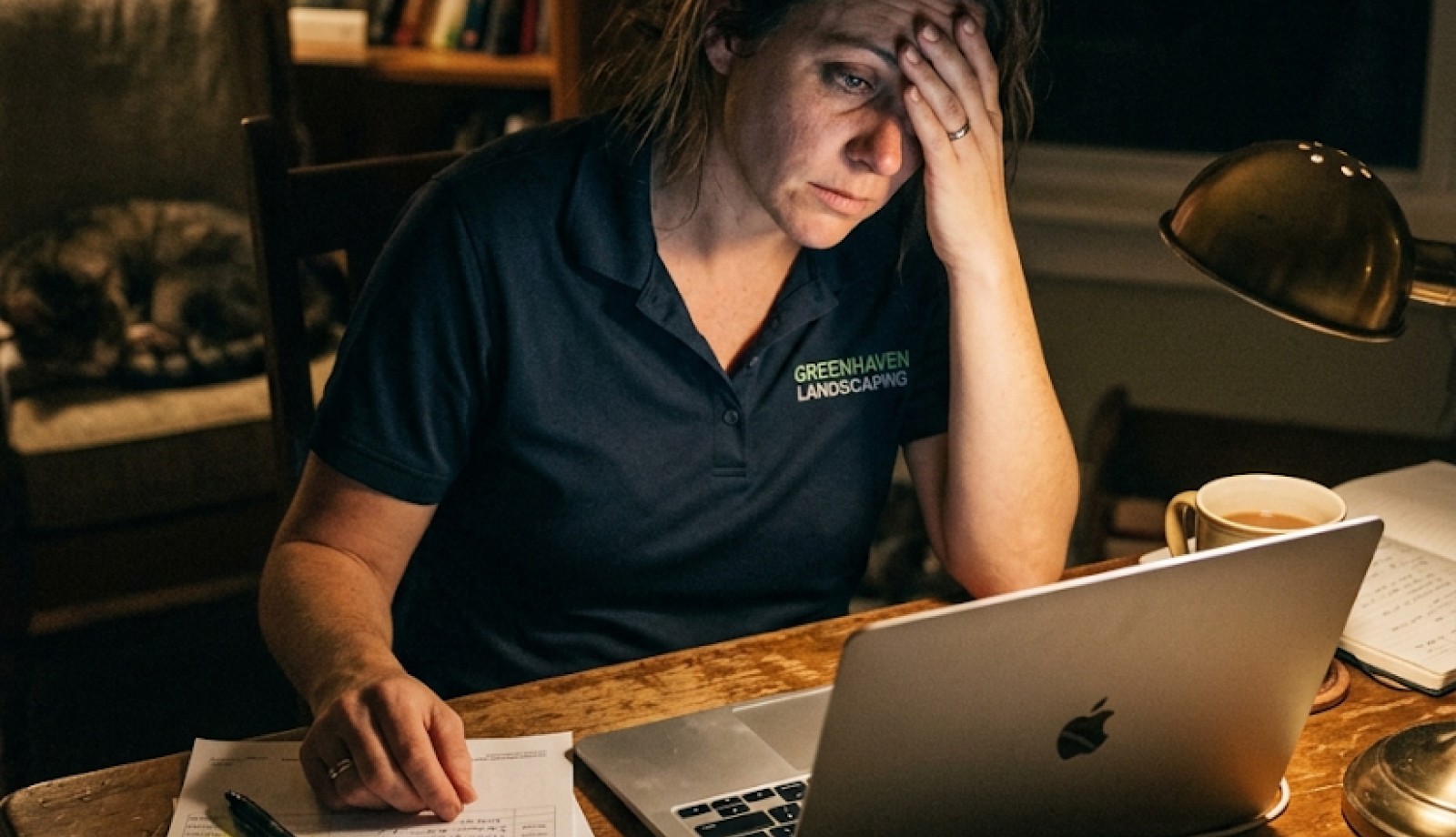
Cash Flow vs Profit: Why Profitable Businesses Still Fail
Cory Mayfield
Published
8
min
How to Chase Payments Without Losing the Client
Cory Mayfield

Published
5
min
Email vs SMS for Payment Recovery in Australia
Cory Mayfield
Published
8
min
The Anatomy of an Effective Payment Reminder
Cory Mayfield
Published
7
min
Manual vs Automated Collections: What the Data Actually Shows
Cory Mayfield

Published
4
min
Payment Terms Are Killing Your Business
Cory Mayfield

Published
7
min
The Psychology of Late Payers
Cory Mayfield
Published
6
min
The Real Cost of a 60-Day Invoice
Cory Mayfield

Published
15
min
The SME Collections Playbook
Cory Mayfield
Published
6
min
When to Escalate: A Framework for Overdue Invoices
Cory Mayfield

