Published
What the data tells us about payment behaviour — and how to join the 40% that only asks once

Cory Mayfield
6
min

At a Glance
60% of businesses need to ask for payment more than once before receiving it. That is not bad luck — it is the predictable result of asking too late, too vaguely, and without a clear consequence.
Key takeaway: The businesses in the 40% that only ask once do not ask more aggressively — they ask more consistently. Immediate, specific, frictionless reminders with a clear next step are the difference.
Why the First Ask Often Does Not Work
Most late payers are not deliberately holding back. They are managing their own cash flow and responding to whoever is most visibly asking right now.
A business managing multiple supplier invoices will pay the ones actively following up. An invoice that arrived two weeks ago and has gone quiet is not top of the queue.
This is why the first ask often fails: it is sent too late (7–14 days after the due date), too softly, and without a clear consequence for non-response.
The Cost of the Second Ask
Stat | Figure |
|---|---|
Typical delay before first manual reminder | 7–14 days |
Recovery rate decline while waiting | ~1%/week |
Staff time cost per manual follow-up | $250+ |
Making the First Ask Count
Ask immediately
Within 24 hours of a missed payment date. Immediacy signals that your terms are real.
Be specific
"Invoice #4521 for $8,200, due 12 July, is now overdue. Please arrange payment by 19 July." Not "just following up on an outstanding balance."
Make payment easy
A direct payment link removes every excuse for delay. 98.3% of customers given convenient payment options pay on their first attempt.
Be consistent
The same process, every invoice, every time. Consistency trains clients that your terms are real.
Frequently Asked Questions
Why do so many clients need to be asked more than once before paying?
Most late payers are prioritising competing obligations rather than deliberately withholding payment. Businesses typically pay the suppliers most actively following up. Immediate, consistent follow-up repositions your invoice as one that will not be ignored.
What is the most effective way to reduce payment follow-up time?
Automation is the most effective way. Automated reminder sequences handle the first 5–7 contacts for every invoice — typically resolving 80–85% of overdue accounts without human intervention.
How can I make it easier for clients to pay my invoices?
Include a direct payment link in every invoice and reminder — linking to a branded payment portal that accepts credit cards, debit cards, bank transfer, and ideally Apple Pay or Google Pay. 98.3% of customers who are given convenient payment options pay successfully on their first attempt.
About Chargetree
Chargetree is an automated accounts receivable and collections platform built for Australian businesses. We help tradies, contractors, agencies, and service businesses get paid faster — without damaging client relationships. Chargetree integrates with Xero to automate payment reminders, escalation workflows, and collections from just $69 a month. No commissions. No lock-in. Learn more at chargetree.co.
Send one ask. Get paid.
Chargetree sends your first reminder within 24 hours of every missed payment — specific, professional, and from your business. Less chasing. More recovering.
More articles
Published
8
min
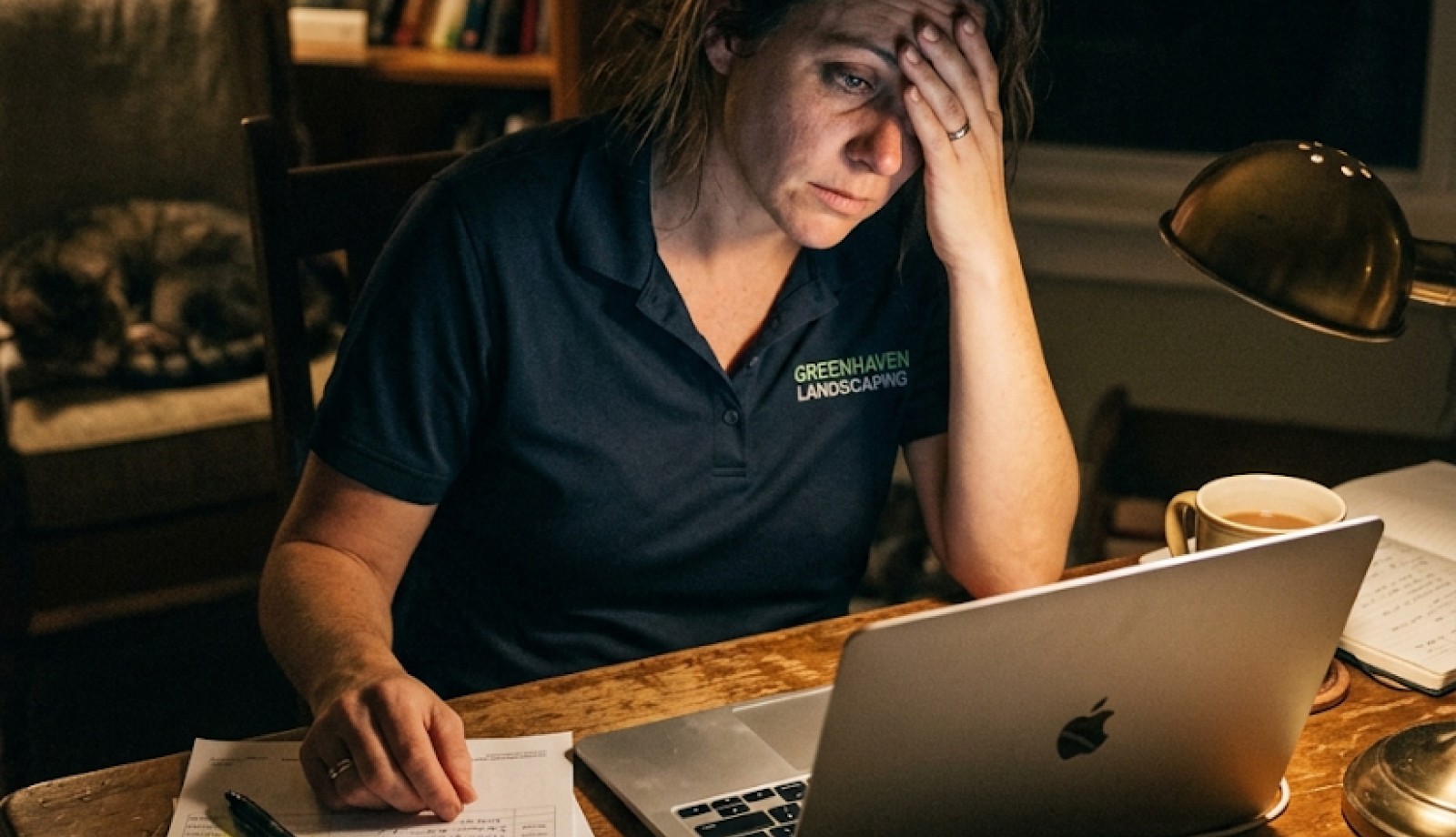
Cash Flow vs Profit: Why Profitable Businesses Still Fail
Cory Mayfield
Published
8
min
How to Chase Payments Without Losing the Client
Cory Mayfield

Published
5
min
Email vs SMS for Payment Recovery in Australia
Cory Mayfield

Published
8
min
The Anatomy of an Effective Payment Reminder
Cory Mayfield
Published
7
min
Manual vs Automated Collections: What the Data Actually Shows
Cory Mayfield

Published
4
min
Payment Terms Are Killing Your Business
Cory Mayfield

Published
7
min
The Psychology of Late Payers
Cory Mayfield
Published
6
min
The Real Cost of a 60-Day Invoice
Cory Mayfield

Published
15
min
The SME Collections Playbook
Cory Mayfield
Published
6
min
When to Escalate: A Framework for Overdue Invoices
Cory Mayfield

