Published
When to act on overdue invoices — and exactly what to do at each stage

Cory Mayfield
8
min
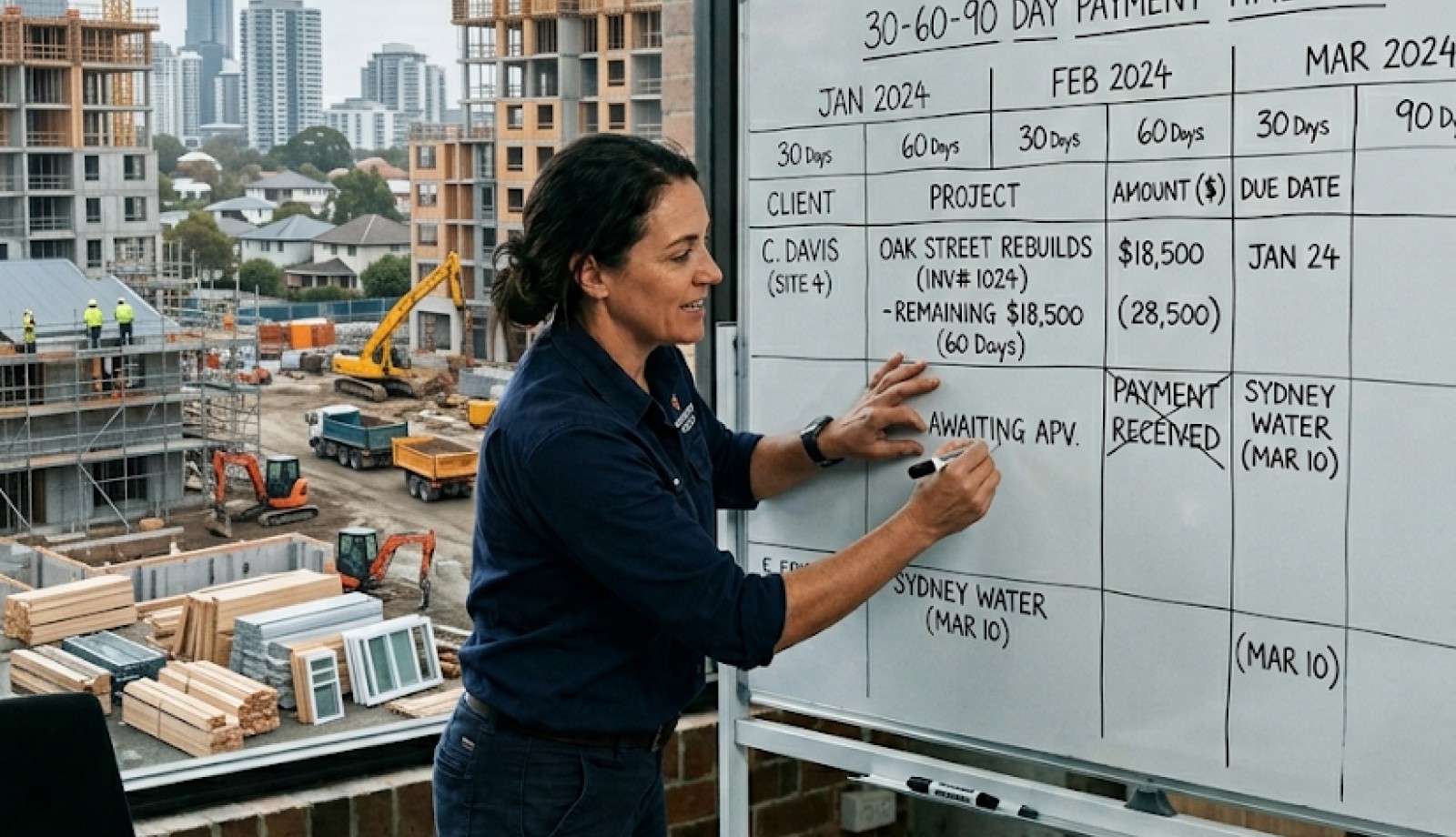
At a Glance
The most important factor in recovering an overdue invoice is not the amount or the industry — it is how old the debt is. Age determines recovery rates more reliably than almost any other variable.
Key takeaway: Acting at 30 days produces meaningfully different outcomes than acting at 60. Define your response at each stage before you need it — not freshly for each invoice under pressure.
Why Age Matters
Days Overdue | Recovery Rate |
|---|---|
30–60 days | 30–50% |
60–90 days | 20–35% |
12+ months | 5–10% |
Recovery rates drop by about 1% every week. Acting within 30 days consistently produces better outcomes than acting at any later stage.
Days 0–30: Prevention
3–5 days before the due date: A short reminder confirms the invoice has been received and surfaces any issues early.
Day 1 post-due: Do not wait. 80% of accounts that are able and willing to pay will do so within 24 hours of first contact. Tone: helpful and neutral.
Day 7: Follow-up asking for confirmation of payment arrangements. If no contact, the tone moves from neutral to direct.
Days 31–60: Systematic Follow-Up
Day 14: Direct request for a confirmed payment date. If the client is under financial pressure, this is the right time to offer a payment plan.
Day 21: Firm notice stating the outstanding balance needs to be resolved — original due date, amount, and consequence of non-payment.
Day 30: Formal notice of outstanding balance — the final communication before a Letter of Demand.
Days 61–90: Escalation
Day 61: A letter of demand changes the conversation. Many debts that resisted reminder sequences resolve at this point.
Day 75: For high-value accounts, a direct call from you or a senior person. The goal is to understand what is stopping payment and find a resolution.
Day 90: Decision — continue internal recovery, refer to a collections specialist, or initiate formal legal recovery.
Beyond 90 Days: Formal Action
Stage | Tool | Best Used When |
|---|---|---|
90–120 days | Statutory demand | Debtor is a company, debt exceeds $4,000 |
90–120 days | Letter of demand (solicitor) | Dispute likely — legal letterhead changes the conversation |
Ongoing (construction) | Security of Payment adjudication | Progress payment dispute, works completed |
120+ days | External collections specialist | Internal effort exhausted |
Frequently Asked Questions
What should I do if an invoice is 60 days overdue with no response?
At 60 days with no response, move to a formal notice of demand stating the invoice amount, original due date, history of contact attempts, and a specific payment deadline (typically 7 days). If no response is received, a solicitor's letter of demand is the appropriate next step.
When should I issue a statutory demand to a business that owes me money?
A statutory demand is appropriate when: the debt is over $4,000, the debtor is a registered company, the debt is not genuinely disputed, and internal follow-up has been exhausted (typically 90+ days overdue). It triggers a 21-day response window.
How do I use Security of Payment laws to recover money owed to my construction business?
Under Security of Payment legislation (all Australian states and territories), construction businesses have the right to adjudication for disputed progress claims. The process involves serving a payment claim, receiving a payment schedule, and — if the dispute continues — lodging for adjudication. Most adjudications are resolved within 10 business days.
About Chargetree
Chargetree is an automated accounts receivable and collections platform built for Australian businesses. We help tradies, contractors, agencies, and service businesses get paid faster — without damaging client relationships. Chargetree integrates with Xero to automate payment reminders, escalation workflows, and collections from just $69 a month. No commissions. No lock-in. Learn more at chargetree.co
Never miss the right action at the right stage again.
Chargetree manages the 30-60-90 framework automatically — sending the right communication at the right time, escalating on schedule, and flagging exceptions that need your attention.
More articles
Published
8
min
Cash Flow vs Profit: Why Profitable Businesses Still Fail
Cory Mayfield

Published
8
min
How to Chase Payments Without Losing the Client
Cory Mayfield

Published
5
min
Email vs SMS for Payment Recovery in Australia
Cory Mayfield

Published
8
min
The Anatomy of an Effective Payment Reminder
Cory Mayfield
Published
7
min
Manual vs Automated Collections: What the Data Actually Shows
Cory Mayfield

Published
4
min
Payment Terms Are Killing Your Business
Cory Mayfield

Published
7
min
The Psychology of Late Payers
Cory Mayfield

Published
6
min
The Real Cost of a 60-Day Invoice
Cory Mayfield

Published
15
min
The SME Collections Playbook
Cory Mayfield

Published
6
min
When to Escalate: A Framework for Overdue Invoices
Cory Mayfield

